
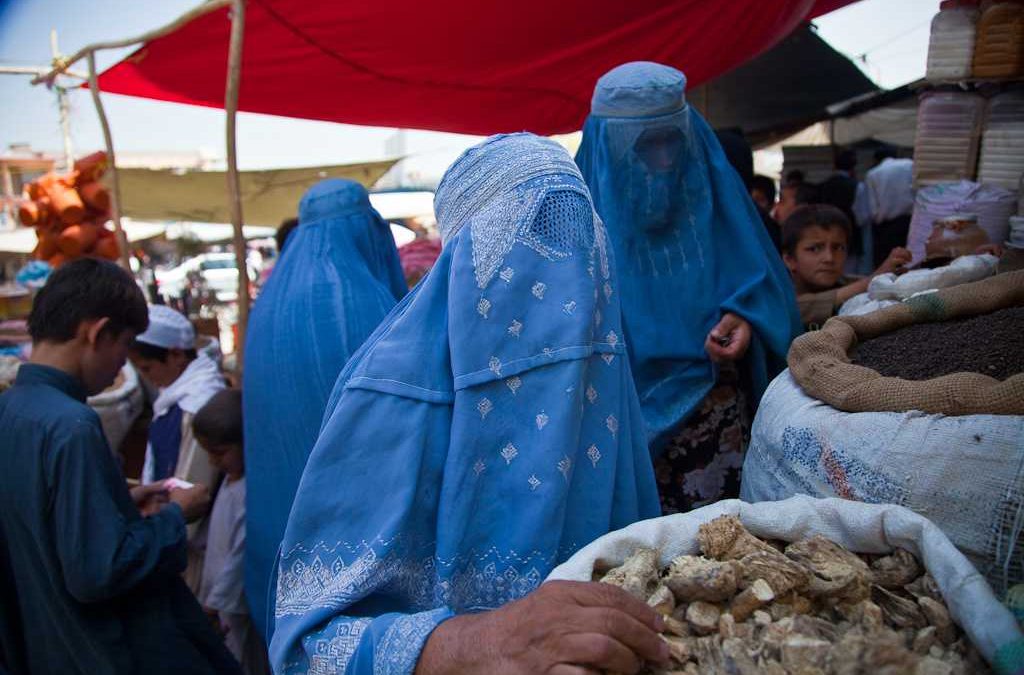
Following the Taliban’s return to power in August 2021, women and girls in Afghanistan have endured unprecedented levels of oppression and human rights violations. These abuses are enforced through formal decrees, institutionalized mechanisms, and a deeply embedded system of structural discrimination that likely amounts to gender apartheid. The Taliban have denied women and girls nearly all their rights, including access to education, employment, freedom of movement, and public participation. At the same time, Afghanistan faces a deepening humanitarian and economic crisis, with more than half of its population in need of assistance.
The U.S. Department of State annually produces Country Reports on Human Rights Practices, which help guide U.S. government policy and are used in various contexts, including asylum proceedings. This report is intended to supplement the 2024 report on Afghanistan to provide a more complete picture of the human rights situation in the country, focusing on women’s and girls’ rights. It draws on civil society and multilateral organizations’ reporting. The report was submitted to the U.S. Congress and Department of State by the U.S. Policy Advocates for Afghan Women and Girls Working Group, a coalition of humanitarian and human rights organizations formed in 2021 in response to the Taliban’s return to power.
Read the shadow report here: